
The legal job market has undergone transformative changes in recent years. Following the global pandemic, firms across the country have adjusted to new economic conditions, emerging technologies, and evolving workforce expectations. In 2024, understanding these shifts is essential—not just for attorneys navigating their careers, but also for law firms seeking to attract and retain top legal talent. The data from late 2023 paints a complex picture, with both progress and challenges shaping the industry’s future.
Legal Job Market
A Glimpse of Optimism: Legal Job Market Improves for Men
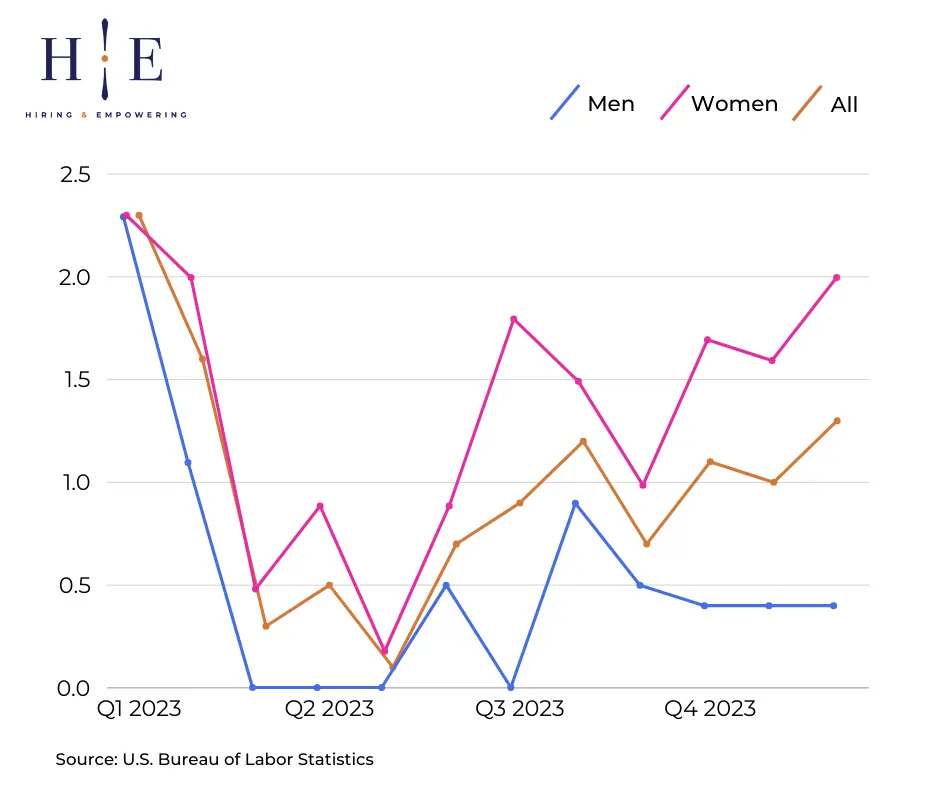
Encouraging signs have emerged in the legal job market, particularly for men. According to the U.S. Bureau of Labour Statistics, unemployment among men in legal occupations dropped from 0.47% in Q3 2023 to 0.4% in Q4. While the decrease may appear modest, in such a competitive sector, this dip is significant. It indicates sustained demand for male legal professionals across a wide variety of practice areas—from litigation and real estate law to newer specialities such as cannabis law and cybersecurity.
This trend may also reflect broader investments in infrastructure, corporate expansion, and regulatory compliance, all of which require legal expertise. Additionally, as firms rebalance staffing following pandemic-era reductions, men appear to be benefiting more from these rehiring phases. However, this doesn’t tell the full story.
Cause for Concern: Legal Job Market Worsens for Women
While male unemployment in legal roles is decreasing, the situation for women tells a different—and troubling—story. The same BLS data shows unemployment for women in legal occupations rose from 1.43% to 1.77% between Q3 and Q4 of 2023. This marks a significant jump in a short period and points to persistent inequalities in the legal job market.
Women may be facing barriers in both hiring and career progression. These obstacles can include biases in hiring decisions, slower recovery in female-dominated practice areas (such as family law or education law), and challenges in balancing demanding work schedules with caregiving responsibilities. The gender divide in legal employment is a systemic issue that affects firm culture, diversity efforts, and client service outcomes.
Overall Job Market Stable—But Trends Demand Attention
Despite gender-specific trends, the legal job market overall remains strong. The industry’s unemployment rate increased slightly from 0.9% in Q3 to 1.13% in Q4, but these figures remain historically low compared to the national average and previous years.
Still, these shifts should not be ignored. Any increase in unemployment—especially when concentrated in specific demographics—calls for introspection. Firms must ask: Are we offering equitable opportunities? Are our recruitment and retention strategies inclusive? Are we creating environments where all legal professionals can succeed?
Understanding Gender Disparity in the Legal Job Market
To address the growing disparity in the legal job market, it’s important to consider the contributing factors:
Practice Area Distribution
Women may be more heavily concentrated in practice areas that were hit hardest during economic fluctuations. Fields like family law, nonprofit law, and education often have less commercial funding or government support during downturns, leading to hiring slowdowns or layoffs.
Work-Life Balance Pressures
Many law firms continue to operate with outdated expectations around time and availability. The “always-on” culture—especially in big law—often places a heavier burden on women who are balancing caregiving, family responsibilities, or simply striving for work-life balance.
Unconscious Bias
Despite efforts toward diversity, unconscious bias remains a barrier. Female candidates may be overlooked for leadership roles or high-profile cases due to assumptions about their availability or commitment. Even subtle biases in language or interview processes can influence hiring outcomes.
Strategies to Create an Equitable Legal Job Market
The good news is that there are actionable steps the industry can take to address these imbalances and promote a healthier legal job market for all professionals.
1. Expand Practice Area Exposure
Law firms and law schools alike can help women explore emerging and high-growth areas such as:
-
Data privacy and cybersecurity
-
Cannabis and environmental law
-
Intellectual property and tech innovation
-
Elder law and student loan law
Encouraging broader exposure helps diversify career trajectories and reduce dependence on volatile sectors.
2. Offer Flexible Work Environments
Today’s legal professionals value autonomy and flexibility. Remote work, hybrid schedules, and adaptable billing structures help law firms retain top talent—especially women who may otherwise exit the profession due to rigid expectations.
Flexible models also foster productivity, reduce burnout, and support long-term career sustainability.
3. Invest in Bias Training
Training hiring managers and partners to recognise and reduce bias in interviews, performance evaluations, and promotions can dramatically improve fairness in decision-making. Firms must treat inclusion as a core business priority, not a side initiative.
Bias training should be ongoing, measurable, and supported by transparent policies.
Other Trends Reshaping the Legal Job Market
Unemployment statistics provide a snapshot—but there’s more to the story. Several evolving trends are shaping the future of the legal job market:
Specialised Skill Demand
Specific legal specialisations are experiencing rapid growth. Job seekers who invest in certifications, continuing education, or hands-on experience in:
-
AI and tech regulation
-
Labour law and unionisation
-
Health law and telemedicine compliance
will find themselves more competitive and resilient.
Alternative Legal Service Providers (ALSPs)
ALSPs are changing the way legal services are delivered. These non-traditional providers offer more agile, tech-forward roles that may appeal to professionals seeking meaningful work outside of the typical law firm structure.
Legal professionals should stay informed about this growing sector and explore opportunities that align with their skills and values.
Geographic Variations
Not all regions are created equal when it comes to legal hiring. Job growth in tech hubs, retirement communities, and regulatory-heavy states (like California or New York) may outpace national averages. Firms in slower markets may face tougher competition for top talent—or struggle to retain staff.
Legal professionals and hiring managers alike should monitor regional data to inform decisions about relocation, expansion, and investment.
Conclusion: Building a Resilient and Inclusive Legal Job Market
The legal job market in late 2023 presented a dual reality: strong hiring demand on one hand, and rising inequities on the other. While the overall unemployment rate remains historically low, the growing gap between men and women in the legal workforce requires immediate attention.
Law firms and legal organisations must act decisively. By embracing flexibility, expanding access to high-growth practice areas, and eliminating unconscious bias, we can create a more inclusive, resilient, and forward-thinking legal job landscape.
Looking for practical strategies to improve hiring, empower your team, and streamline your firm’s operations? Visit our website at fire.h50.us/~hrgnmpwr/dev2/ to explore our latest insights, leadership tools, and law firm growth resources. Dive deeper into the legal job market on our blogs, and catch our weekly podcasts for fresh, actionable takeaways to move your firm forward.
Written by Molly Hall McGrath